How to Choose a Sofa: A Practical Buyer's Guide
By The Shopi Team · 7 min read
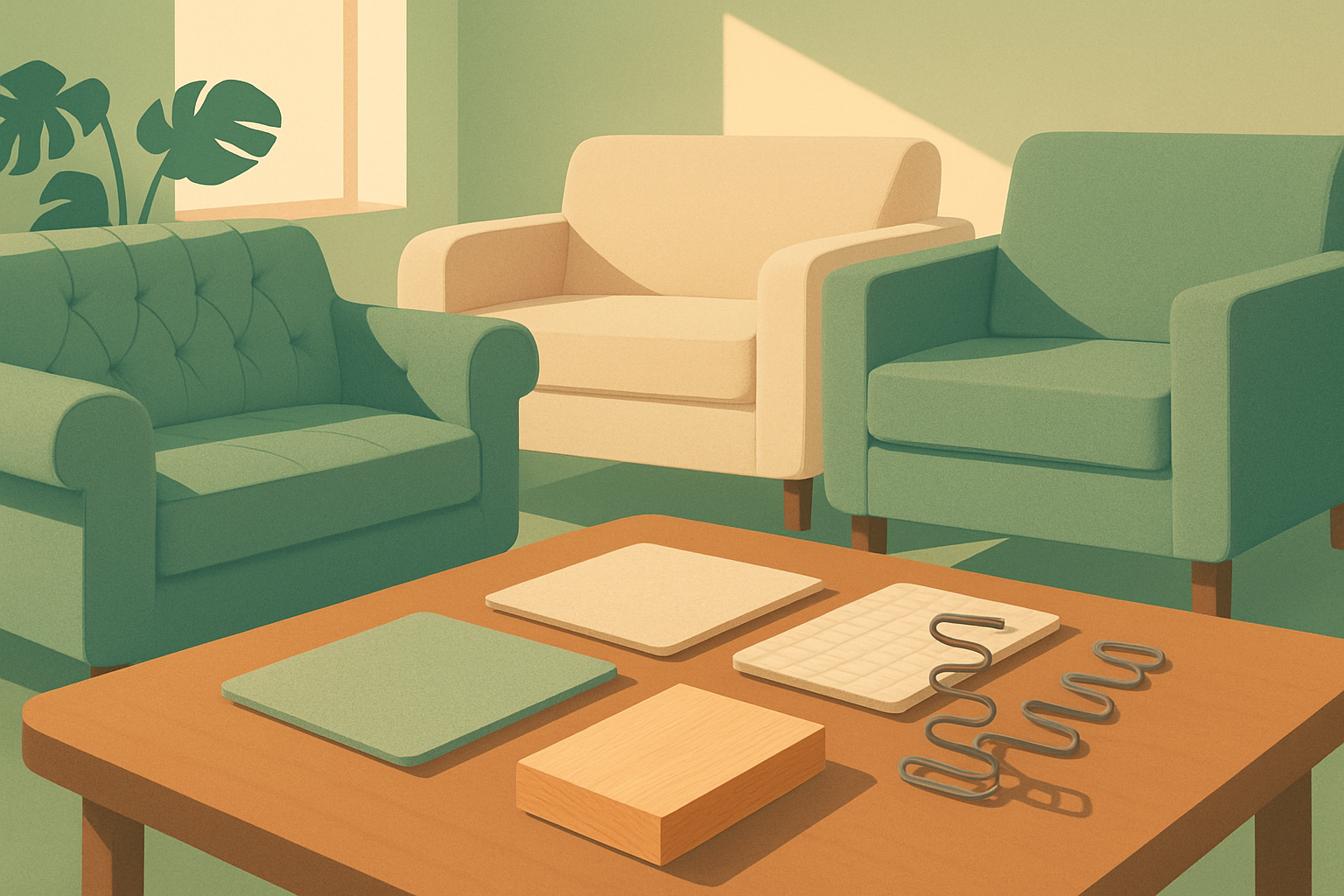
Most guides on how to choose a sofa open with a mood board: color palettes, whether velvet is "in" this year, which throw pillows pair with which. That's the fun part, and it's almost entirely beside the point. A sofa is the one piece of furniture you'll sit on nearly every day for years, and the things that decide whether you still love it then — the frame, the springs, the cushions, the fit in your room — are completely invisible in a photo. So before you fall for a color, let's build a simple framework that ties what's inside a sofa to how you actually live, so you buy a couch that lasts instead of one that just photographs well.
Start with how you live, not how it looks
Write down, honestly, how this sofa will earn its keep on an ordinary day — not the dinner party you host twice a year. Most people land in one of a few profiles:
- The loungers: you sprawl, nap, and watch whole seasons. You want depth, soft back support, and room to stretch — a chaise or a sectional pays off here.
- The uprights and entertainers: you sit to talk, read, and eat. You want a firmer, shallower seat that supports your back and seats more people.
- The small-space dweller: square footage is the boss. Scale and footprint matter more than anything, so a loveseat, apartment-scale sofa, or sleeper may beat a full three-seater.
- The family-and-pets household: kids, dogs, snacks, spills. Durability and cleanability outrank everything else on the list.
- The long-haul investor: you want to buy once and keep it a decade or more. Frame and suspension quality are where your money should go.
Pick the one that's really you. Everything below maps back to it. The most expensive sofa mistake is buying for a fantasy version of your life instead of the actual one.
What's actually inside a sofa
A sofa's lifespan is decided by three things you can't see under the showroom lights. Ask about all three before you ask about the color.
The frame
This is the skeleton, and it's where cheap sofas quietly cut corners. Kiln-dried hardwood is the gold standard — dried so it won't warp or crack as your home's humidity shifts through the seasons. Cheaper sofas lean on softwood, particleboard, or plastic, which can loosen and creak within a few years. Just as important is how the frame is joined: corner blocks, dowels, and screws-and-glue hold up; staples and bare nails work loose. A well-built frame can outlast several disposable ones.
The suspension (springs)
Under the cushions sits the support system, and it dictates both how the sofa feels and how it ages. The two you'll meet most:
- Sinuous (serpentine) springs — S-shaped wires running front to back. Reliable, supportive, and the value sweet spot for most sofas.
- Eight-way hand-tied springs — coils tied by hand in eight directions. The premium option: even, durable, and pricey. Genuinely lovely, but not the only "good" answer.
Sit down hard in the back corners. If you can feel the frame through the seat, or the only support is loose webbing, walk away.
The cushions
Seat cushions are a trade-off between plush and supportive:
- High-resiliency foam holds its shape and bounces back; low-density foam feels fine in the store and goes flat surprisingly fast.
- Foam wrapped in down or fiber gives a softer top over a structured core — comfortable and fairly low-maintenance.
- All-down or down-blend feels luxurious but needs regular fluffing, and it will look rumpled if you're the type who never plumps a cushion.
One question matters more than people realize: do the covers unzip? Being able to wash or replace a cover quietly doubles a sofa's usable life.
The fabric decision
Fabric is where your taste and your real life have to negotiate. A few things matter more than the shade:
- Cleaning code: most upholstery carries one — W (clean with water), S (solvent only, trickier), WS (either), or X (vacuum only, avoid with kids or pets). Match this to your household before you fall for a swatch.
- Durability rating: performance and contract fabrics are tested for abrasion, often shown as a "rub count." Higher means tougher. You don't need the highest number on the market, but a busy home shouldn't pick the lowest.
- Performance weaves resist stains and fading and forgive families; the trade-off is they can feel a touch less characterful than a natural linen.
- Natural fibers like linen and cotton look and feel beautiful but stain, wrinkle, and fade in direct sun more readily.
- Leather ranges widely. Full-grain and top-grain age gracefully and wipe clean; bonded leather is scraps glued to a backing and tends to peel — a very common regret.
If the sofa will sit in a sunny window, ask specifically about fade resistance. If you have pets, lean toward tight weaves (claws snag looped fabrics) and a cover you can actually clean.
Get the size and fit right
This is the most common and most expensive sofa mistake, and it has nothing to do with taste: the beautiful sofa that won't fit through the door.
Before you commit:
- Measure the room and tape out the sofa's footprint on the floor. Leave walking room — a couch that looks airy on a website can swallow a small living room.
- Measure the path in. Doorways, hallways, stair turns, the elevator. Check the sofa's diagonal depth and height, not just its length, because that's how it actually rounds a corner and clears a frame.
- Match seat depth to your body. Deep seats are heaven for tall loungers and a back-killer for shorter people who like to sit up — their feet dangle and their lower back gets no support. Sit the way you'll really use it.
- Mind the proportions. Seat height, arm height, and overall scale should suit both your room and the people in it.
Buying online and can't test it? Order a fabric swatch, read the exact dimensions twice, and check the return policy before anything else.
Match it to how you live
Now connect the two lists:
- Loungers: deep seat, soft-but-supported cushions (foam wrapped in down), a chaise or sectional, and a durable fabric you can flop onto without thinking.
- Uprights and entertainers: firmer high-resiliency cushions, a tighter back, standard-to-shallow seat depth, and seating for more people.
- Small-space dwellers: prioritize footprint and a frame light enough to move; consider a loveseat, apartment-scale sofa, or sleeper. Measure twice.
- Family-and-pets: performance fabric with a W or WS code, washable or replaceable covers, a tough frame, and a forgiving mid-tone color.
- Long-haul investors: spend on a kiln-dried hardwood frame and good suspension first — those are hard to upgrade later, while cushions and even covers can be refreshed down the road.
A quick word on budget tiers
Sofas roughly sort into three tiers, and none is "wrong" — they simply fit different situations:
- Budget: engineered-wood frames, basic foam, synthetic fabric. Fine for rentals, guest rooms, first apartments, or anything you expect to replace soon.
- Mid-range: a hardwood frame, sinuous springs, better foam-and-fiber cushions, and performance fabric. The sweet spot for most households.
- Premium: kiln-dried hardwood, eight-way hand-tied springs, down-blend cushions, and high-end fabric or leather — often customizable, and built to last for many years. Worth it if you'll actually keep it.
Smart questions to ask before you buy
A short list that cuts straight through any sales script:
- What's the frame made of, and how are the joints held together?
- Is the suspension sinuous springs or eight-way hand-tied?
- What's the cushion fill, and do the covers unzip for cleaning or replacement?
- What's the fabric's cleaning code and durability rating?
- Will it fit through my door and up my stairs? (Bring your measurements.)
- What does the warranty actually cover — frame, springs, cushions, fabric — and for how long?
When you know what to look for, search without the noise
Here's the part most guides skip. Once you know your profile, your dimensions, and your fabric needs, the hard part isn't the decision — it's the noise. Many "best sofa" roundups are ranked partly by affiliate commission: the site earns a cut when you buy through its link, which can quietly nudge certain models toward the top. That's not a scandal, just an incentive worth reading with clear eyes. Treat glowing reviews the same way — favor detailed, specific accounts of how a sofa held up over a high star average.
A cleaner approach: do a little structured homework, then compare on your criteria, not theirs. Our guide on how to research a product before buying walks through verifying claims and sources, and how to compare products objectively helps you score options on what matters to you instead of what a marketer chose to spotlight. If comfort and materials are top of mind, how to choose a mattress covers a lot of the same foam-and-support thinking.
When you're ready to look at real sofas, this is candidly why we built Shopi: an AI shopping advisor with no affiliate links, no ads, and no commissions — we earn nothing when you buy, so a recommendation rises only because it fits you. You can tell it something like "durable sectional for a family with a dog, washable covers, under [your budget]" and get options with a plain-English "why this fits" for each, plus a relevance score. It links you directly to each product's own page, never a kickback link, and because it can be wrong, it shows its reasoning so you can check it.
The framework above is the real value, and it's yours whether or not you ever open our app. You can try Shopi free with no signup — the demo runs on a sample shopper profile, so it shows how the reasoning works rather than results tailored to you. When you want recommendations matched to your own room, budget, and priorities, create a free profile in under two minutes. No pressure either way: know your profile, insist on a solid frame and good springs, pick fabric for your real life, and measure the doorway — then ignore anyone trying to sell you on the throw pillows.
Frequently asked questions
What should I look for first when choosing a sofa?
Start with how you'll actually use it day to day — lounging, hosting, a small space, a household with kids and pets, or a buy-it-once investment — then focus on the parts you can't see in a photo: the frame, the suspension (springs), the cushion fill, and whether it fits your room and your body. Color and style come last, because they don't determine whether you'll still love the sofa in five years.
What makes a sofa last a long time?
Mostly the bones. Look for a kiln-dried hardwood frame joined with corner blocks, dowels, or screws and glue rather than staples; a quality suspension (sinuous springs are a reliable value, eight-way hand-tied is premium); and high-resiliency foam that holds its shape. Covers that unzip for cleaning or replacement also stretch a sofa's usable life considerably.
What's the best sofa fabric for pets and kids?
A performance or tightly woven fabric with a W or WS cleaning code, ideally with washable or replaceable covers and a forgiving mid-tone color that hides everyday life. Avoid X-code fabrics (vacuum only) and bonded leather, which tends to peel. Tight weaves also resist snags from claws better than looped fabrics.
How do I make sure a sofa will actually fit?
Measure the room and tape out the footprint on the floor, leaving walking space. Then measure the path in — doorways, hallways, stair turns, and elevators — checking the sofa's diagonal depth and height, not just its length, since that's how it rounds corners and clears door frames. Finally, match the seat depth to your body so you can sit comfortably the way you actually use it.
How does Shopi help me choose a sofa?
Shopi is an AI shopping advisor with no affiliate links, ads, or commissions, so it earns nothing when you buy and recommends based on fit rather than payouts. You describe your needs and budget, and it returns options with a plain-English 'why this fits' explanation and a relevance score, linking you straight to each product's own page. You can try a free demo with no signup (it runs on a sample profile, so it isn't tailored to you), or create a free profile for personalized results.