Sony
Sony Alpha a7 III Mirrorless Camera Body
The Sony a7 III is a full-frame mirrorless camera body built around a 24.2MP back-illuminated sensor, positioned as a versatile all-rounder in Sony's Alpha lineup.
### Overview
The Sony Alpha a7 III is a 24.2MP full-frame mirrorless camera designed as Sony's "balanced flagship" — neither ultra-high-resolution like the a7R III nor ultra-speed-focused like the a9. Its well-judged mix of resolution, speed, features, and price point make it an easy recommendation for all kinds of photographers and all kinds of photography. Originally launched in 2018 and now available primarily on the used market, it remains a compelling full-frame entry point in 2026.
---
### Pros
- **Exceptional Low-Light & Dynamic Range:** ISO 3200 is clean, ISO 6400 is more than usable, and shots at ISO 12,800 can still be pulled with a little noise reduction in post — a genuine advantage for indoor, evening, and available-light shooters who want to avoid flash. - **5-Axis IBIS That Actually Delivers:** The in-body image stabilization offers 5 stops of compensation, which is extremely helpful in low-light situations and allows for handheld shots at slower shutter speeds — reducing the urgency of buying optically stabilized lenses. - **Reliable Eye-AF for People Photography:** The autofocus system — with 693 phase-detection points covering 93% of the frame and continuous focus recalculated 30 times per second — is so outstanding it has turned many DSLR users into Sony fans. Eye-tracking makes it especially capable for weddings, portraits, and events. - **Compact & Travel-Friendly for Full-Frame:** The body is compact and lightweight at just 1.4 pounds (without lens), making it meaningfully easier to carry all day than most full-frame DSLRs — a real benefit for travel and event photographers.
---
### Cons
- **8-Bit Video Ceiling:** The camera records only 8-bit video, which is fine for most users but limiting for professionals who need more control in post-production for color grading; 4K is also capped at 30fps. - **No AI Subject Tracking:** While 10 fps burst is respectable, the lack of AI subject tracking means missed focus on erratic movement — especially with telephoto lenses — putting it behind newer bodies for fast-action sports and wildlife. - **Aging Platform:** Sony ended major firmware development for the a7 III in late 2022, meaning it won't gain the next-generation AF or video features that newer bodies continue to receive. - **Overheating Under Heavy 4K Load:** Extended use, especially when filming in 4K under hot conditions, can cause the camera to overheat — something to be mindful of if you plan on shooting for long hours in warm environments.
---
### Who It's For
Sony's A7 line is perfect for the generalist photographer, and the a7 III is no different — equally adept at stills and video, it suits someone who might go from photographing a family event one day to shooting landscapes and travel for fun, with the odd bit of commercial work on the side. If your budget is under $1,300 for a full-frame body and your work spans weddings, travel, documentary, or hybrid photo/video, the a7 III remains a rational, durable, and capable choice in 2026.
---
### Not Right For
Dedicated video creators or hybrid shooters who need 10-bit internal recording, 4K at 60fps, or advanced subject tracking — the a7 III offers no 10-bit internal, no 4K 60p, and no CFexpress Type A slot, making the a7 IV or FX30 objectively superior for serious video work.
Key features
- Full-frame 24MP
- 5-axis IBIS
- solid low-light performance
- compact for a full-frame body
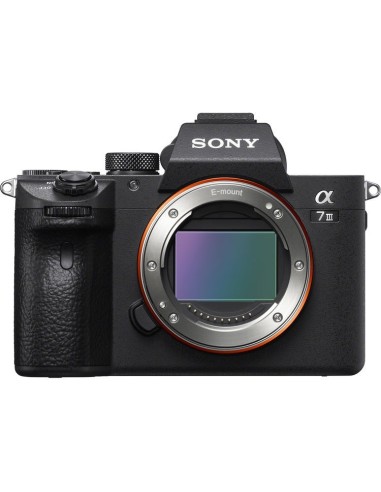
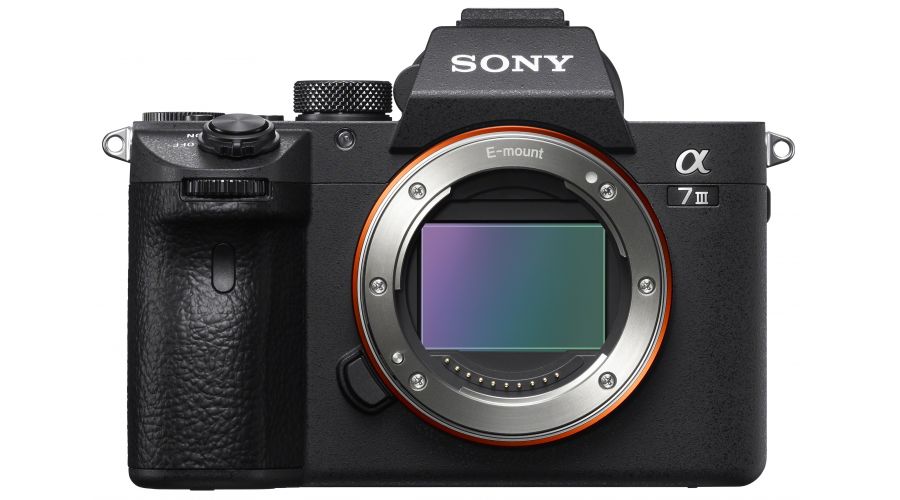
Seen at 5 retailers from $1249.99 to $1899.99 as of 2026-07-08. Prices change — check the retailer for the current price.
A benchmark full-frame body that punches well above its class in low light and autofocus performance.
What stands out
- Back-illuminated 24.2MP full-frame sensor delivers strong dynamic range and clean high-ISO output
- 5-axis in-body image stabilisation compensates for camera shake across a wide range of lenses
- Fast, reliable autofocus with real-time eye and subject tracking suits both stills and video
- Compact and relatively lightweight for a full-frame body, reducing fatigue on long shoots
What to weigh
- Single card slot accepts only one UHS-II SD card; the second slot is limited to UHS-I speeds
- 4K video is oversampled but applies a modest crop, which may frustrate dedicated videographers
- Menu system, while improved over older Sony bodies, still has a steeper learning curve than some rivals
Great fit if
- Photographers who want a capable full-frame body without moving to a heavier pro-tier system
- Hybrid shooters who need reliable stills and competent 4K video from one body
- Those already invested in the Sony FE lens ecosystem
Skip it if
- Shooters who need dual fast card slots for redundancy or high-speed burst offloading
- Videographers who prioritise uncropped 4K or advanced video features over stills performance