How shopping works
What Is a Restocking Fee?
By The Shopi Team · 4 min read
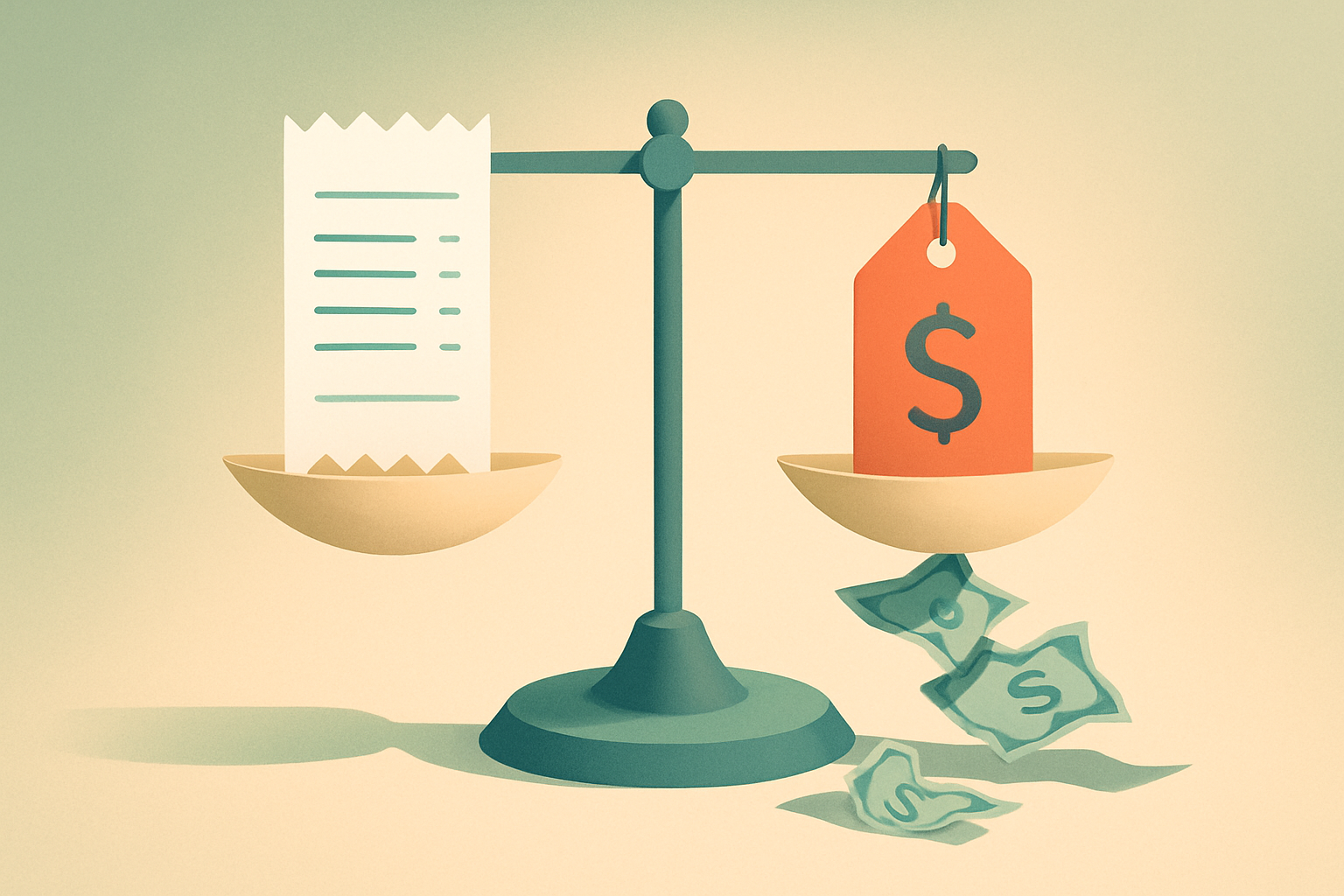
A restocking fee is a charge a retailer subtracts from your refund when you return an item — usually a percentage of what you paid, sometimes a flat amount. It covers the store's cost of inspecting, repackaging, and reselling the product, and it's spelled out in the return policy you agreed to at checkout.
In other words, getting a return accepted doesn't always mean getting all your money back. If a store applies a restocking fee, you hand back the item but keep only part of the purchase price. The fee isn't a punishment so much as a way for the seller to recoup the real work of turning a returned product back into something they can sell again — which is why it shows up most on items that are expensive or hard to resell as new.
Why stores charge a restocking fee
Returns aren't free for the seller. Once a product leaves the shelf and comes back, it can't always go straight to the next customer at full price. Someone has to inspect it, test it, repackage it, and often relist it as "open box" at a discount. A restocking fee helps cover that gap.
There's a second reason: it discourages casual over-buying. When returns cost the shopper nothing, some people buy several versions of the same thing planning to send most back, or buy, use once, and return ("wardrobing"). Those costs don't vanish — they get baked into prices for everyone. A modest fee nudges people to buy what they actually intend to keep.
So the fee is incentives at work, not a scam. Understanding the why is more useful than getting angry at any one store. That said, it can still catch you off guard if you didn't read the policy — which is exactly why it's worth knowing about.
Where you'll run into it
Restocking fees are most common on products that lose value or take effort to resell:
- Electronics and large appliances — TVs, laptops, cameras, fridges.
- Special-order, custom, or personalized items — anything made or ordered just for you.
- Opened software, media, or sealed goods — once the seal is broken, "new" is off the table.
- Mattresses and certain hygiene items.
- Items returned without the original box, manuals, tags, or accessories.
And here's the important flip side: the fee is often waived when the item is defective, when the seller made the mistake, or when you return it unopened within the return window. A restocking fee is meant to cover the cost of handling a perfectly good item you changed your mind about — not to make you pay for something that arrived broken.
When it helps you and when it hurts
A restocking fee can quietly work in your favor. By keeping return abuse in check, it helps stores offer reasonable prices and generous return windows in the first place. If you research before you buy and keep what you order, you'll likely never pay one — it's a non-issue for the careful shopper.
It hurts when it's used to discourage legitimate returns, or when it's buried in fine print so the first time you learn about it is at refund time. It can also hollow out the appeal of "free returns" marketing: returns may be free to ship, but a restocking fee can still shrink your refund. And it can pressure you into keeping something you don't actually want, just to avoid the hit — which leads to clutter and waste.
Both things are true at once. The fee reflects a genuine cost, and it can still be used in ways that aren't shopper-friendly. The goal isn't to fear it — it's to see it coming.
How to shop smarter around restocking fees
- Read the return policy before you buy — especially on electronics, appliances, and anything special-order. Look for the words "restocking fee" and any conditions.
- Keep everything. Save the box, packaging, manuals, cables, and tags. Many fees apply only when an item comes back incomplete or opened.
- Don't open it if you're unsure. Unopened returns within the window often skip the fee entirely.
- Know your footing on defects. If the product is faulty or the seller shipped the wrong thing, you usually shouldn't be charged a restocking fee — ask.
- Separate the fees. A restocking fee is different from return shipping. A return can cost you both, one, or neither.
- Just ask. Fees are sometimes waived for a polite first-time request or a loyal customer.
- Buy it right the first time. The surest way to dodge a restocking fee is to not need the return at all.
That last point is the big one. A little research up front — checking specs, reading how a product actually performs, and being honest about whether you'll use it — beats any return policy. Our guides on how to research a product before buying and what an extended warranty really covers dig into making a confident call before you pay.
How honest help fits in
Shopi is built to help you buy with confidence the first time, so a restocking fee rarely enters the picture. It learns what you actually need, explains the reasoning behind every recommendation in plain language, and links you straight to the product page. We earn nothing when you buy — no affiliate links, no ads, no commissions — so nothing nudges you toward the wrong pick. Try the no-signup demo to see how it works, or set up a free profile for results tailored to you.
A quick restocking-fee checklist
- Read the return policy before big or special-order purchases.
- Keep all packaging, tags, and accessories.
- Leave it sealed if you're not sure you'll keep it.
- Push back on fees for defective or wrong items.
- Remember return shipping and restocking fees are separate charges.
You can't always avoid a restocking fee, but you can stop being surprised by one. A two-minute read of the return policy — and a little homework before you buy — is usually all it takes.
Frequently asked questions
What is a restocking fee in simple terms?
It's a charge a store subtracts from your refund when you return an item, usually a percentage of what you paid. It covers the cost of inspecting, repackaging, and reselling the product, so you get back less than the full price you originally paid.
How much is a restocking fee?
It varies by store and product type and is stated in the return policy, typically as a percentage of the item's price. Because the amount differs so much, the only reliable figure is the one in that specific retailer's policy — always check before you buy.
Do I have to pay a restocking fee on a defective item?
Usually no. Restocking fees are meant for items you changed your mind about, not for products that arrived broken or were shipped in error. If the item is faulty or the seller made the mistake, ask for the fee to be waived — most policies allow it.
How can I avoid a restocking fee?
Read the return policy before buying, keep the original box, tags, and accessories, and leave the item unopened if you're unsure. Returns that are unopened and within the window often skip the fee, and defects or seller errors usually qualify for a waiver.
Is a restocking fee the same as return shipping?
No. A restocking fee is deducted from your refund to cover handling and reselling the item. Return shipping is the cost of sending it back. A single return can involve both, one, or neither, so check the policy for each.