How shopping works
What Is a Chargeback?
By The Shopi Team · 5 min read
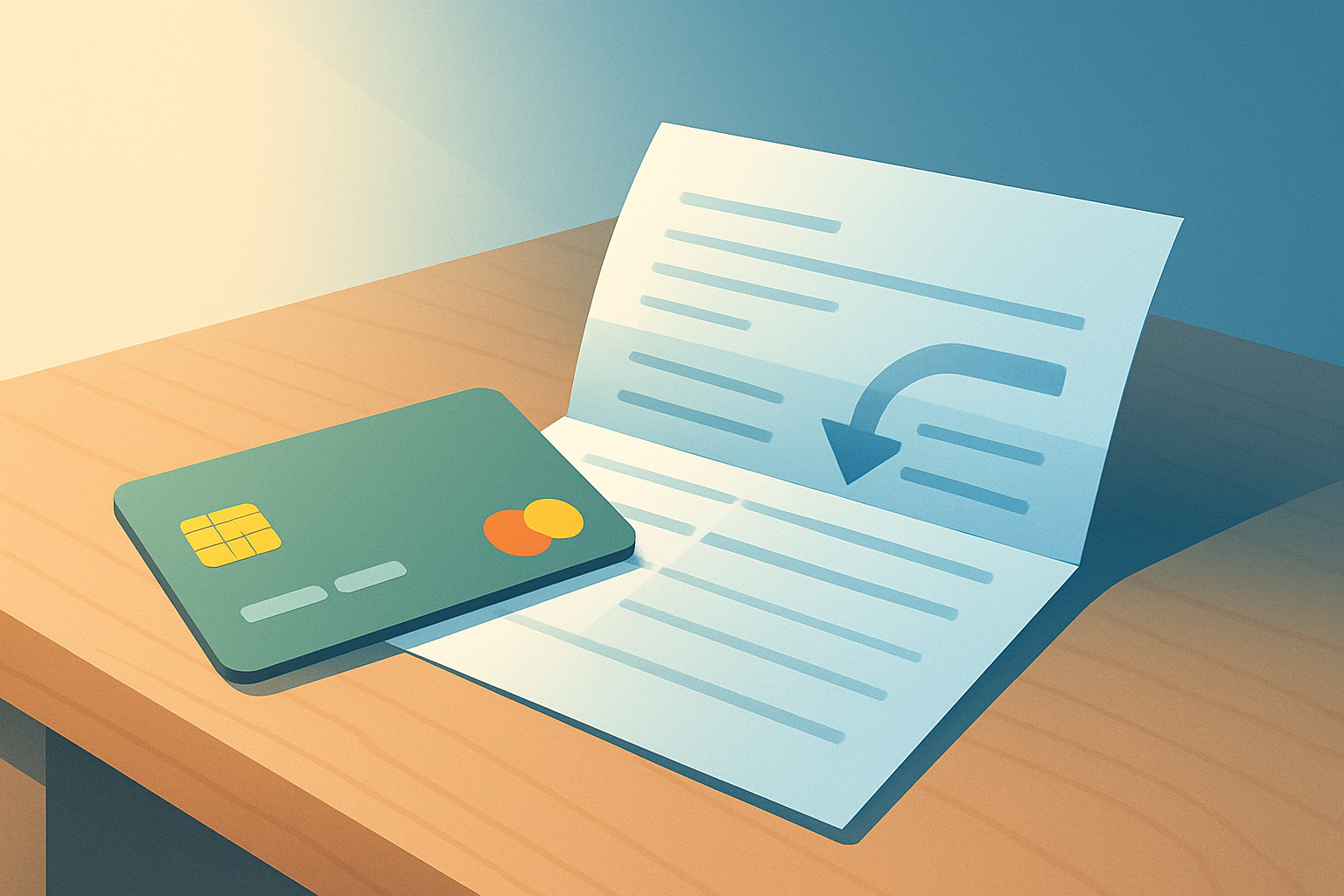
A chargeback is when your bank or card issuer forcibly reverses a payment you made — pulling the money back from the seller and returning it to you — after you formally dispute the charge. It's a consumer protection built into card networks, and it's different from simply asking a store for a refund.
With a refund, the merchant agrees to give your money back. With a chargeback, your bank steps in and takes the money back on your behalf, even if the seller objects. That makes it a powerful safety net — and, like any powerful tool, one worth understanding before you reach for it.
How a chargeback actually works
The process starts with you, but it runs through your bank, not the store.
- You dispute the charge. You contact your card issuer (online, by phone, or in the app) and explain why the charge is wrong.
- The bank reviews it. They look at your reason and often issue a provisional credit while they investigate, so you're not out the money during the process.
- The merchant can respond. The seller gets a chance to present evidence — proof of delivery, a receipt, your agreement to the terms. This step is sometimes called "representment."
- A decision is made. The card network weighs both sides and decides who keeps the money. If you win, the credit becomes permanent; if the merchant proves the charge was valid, it can be reversed back.
Most card networks only let you file within a limited window — often a few months from the charge or the expected delivery date — and the exact timeframe varies by network and the reason for the dispute. The sooner you act, the better.
When a chargeback helps you
A chargeback is genuinely valuable when the normal channels fail or fraud is involved. Common situations where it's the right tool:
- Unauthorized charges. Your card was used without your permission, or you don't recognize a charge.
- Items that never arrived. You paid, but the package never showed and the seller won't make it right.
- Not as described or defective. What you received is materially different from what was advertised, and the merchant won't resolve it.
- Billing errors. You were charged twice, charged the wrong amount, or billed for a subscription you already canceled.
- A seller who vanishes. The store stops responding, shuts down, or ghosts you entirely.
In these cases, the chargeback exists precisely so you aren't left holding the loss for something that wasn't your fault.
When it can hurt — and why to use it carefully
Reach for it as a real remedy, not a shortcut. A few honest cautions:
- Try the merchant first. Most banks expect you to attempt a refund or return before disputing, and it's usually faster anyway. A quick email often solves what a chargeback would take weeks to settle.
- Overusing it can backfire. Disputing charges you actually authorized — sometimes called "friendly fraud" — can get your account flagged or even closed. Banks track patterns.
- The costs ripple outward. Merchants pay fees on disputes and often pass those costs along through higher prices or stricter policies. Used fairly, the system protects everyone; abused, it makes shopping more expensive for all of us.
- It's not a return policy. If you simply changed your mind, that's a return question, not a dispute.
How you pay changes your protection
The recourse you have when something goes wrong depends a lot on how you paid — and this is where shopping smart really pays off.
- Credit cards generally carry the strongest dispute rights. The money hasn't left your bank account yet, so reversing a charge is relatively clean.
- Debit cards usually offer a similar dispute process, but because the money already left your account, getting it back can be slower while the investigation runs.
- Buy now, pay later (BNPL) has real upsides — you can spread a cost over weeks, sometimes with no interest. But dispute and chargeback protections vary widely between providers and aren't always as standardized as a credit card's, so read how a given plan handles a purchase gone wrong before you rely on it.
- Bank transfers, wallets funded straight from your bank, gift cards, and unofficial or "grey-market" sellers often come with little or no chargeback recourse at all. The lower price or convenience can be real — but so is the thinner safety net. Weigh both.
None of these is automatically "good" or "bad." The point is to match your payment method to the risk: a trusted everyday store is one thing; a brand-new seller or a deal that seems too good is another.
How this fits into smarter shopping
A chargeback is a backstop, not a strategy. The best protection is buying well in the first place — knowing who you're buying from, what you're agreeing to, and whether the deal is what it claims. We cover that groundwork in how to research a product before buying, and the subscription and "cancel anytime" traps that often lead to disputes in dark patterns in online shopping.
Shopi is built to help you make that good decision up front. It learns what you actually need, explains every recommendation in plain language with a clear "why this is for you," and links you straight to the product page. We earn nothing when you buy — no affiliate links, no ads, no commissions — so there's no hidden reason to steer you anywhere. Try the no-signup demo to see how it works, or set up a free profile for results tailored to you.
A quick chargeback checklist
- Contact the merchant first — it's faster and often resolves it.
- Keep records: receipts, order confirmations, and any messages.
- Know your window — disputes have time limits that vary by card.
- Save chargebacks for genuine problems, not buyer's remorse.
- For riskier purchases, pay with a method that carries strong dispute rights.
Used the right way, a chargeback is one of the most useful protections a shopper has. Knowing when — and when not — to use it keeps that safety net strong for everyone.
Frequently asked questions
What is a chargeback in simple terms?
A chargeback is when your bank or card issuer reverses a payment after you dispute it, taking the money back from the seller and returning it to you. It's a consumer protection built into card networks, separate from asking the merchant for a refund.
What's the difference between a chargeback and a refund?
A refund is voluntary: the merchant agrees to return your money. A chargeback is forced: your bank pulls the money back on your behalf, even if the seller objects. Refunds are usually faster and friendlier, while chargebacks are the backstop for when a merchant won't cooperate.
When should I file a chargeback?
Use one for genuine problems — unauthorized charges, items that never arrived, products materially not as described, double billing, or a seller who won't respond. Try contacting the merchant first, since most banks expect it and it's usually quicker.
Can filing a chargeback hurt me?
It can if you misuse it. Disputing charges you actually authorized can get your account flagged or closed, and frequent disputes are tracked. Used fairly for real issues, a chargeback won't harm you — it exists to protect you.