How shopping works
Refurbished vs. Open-Box: What's the Difference?
By The Shopi Team · 5 min read
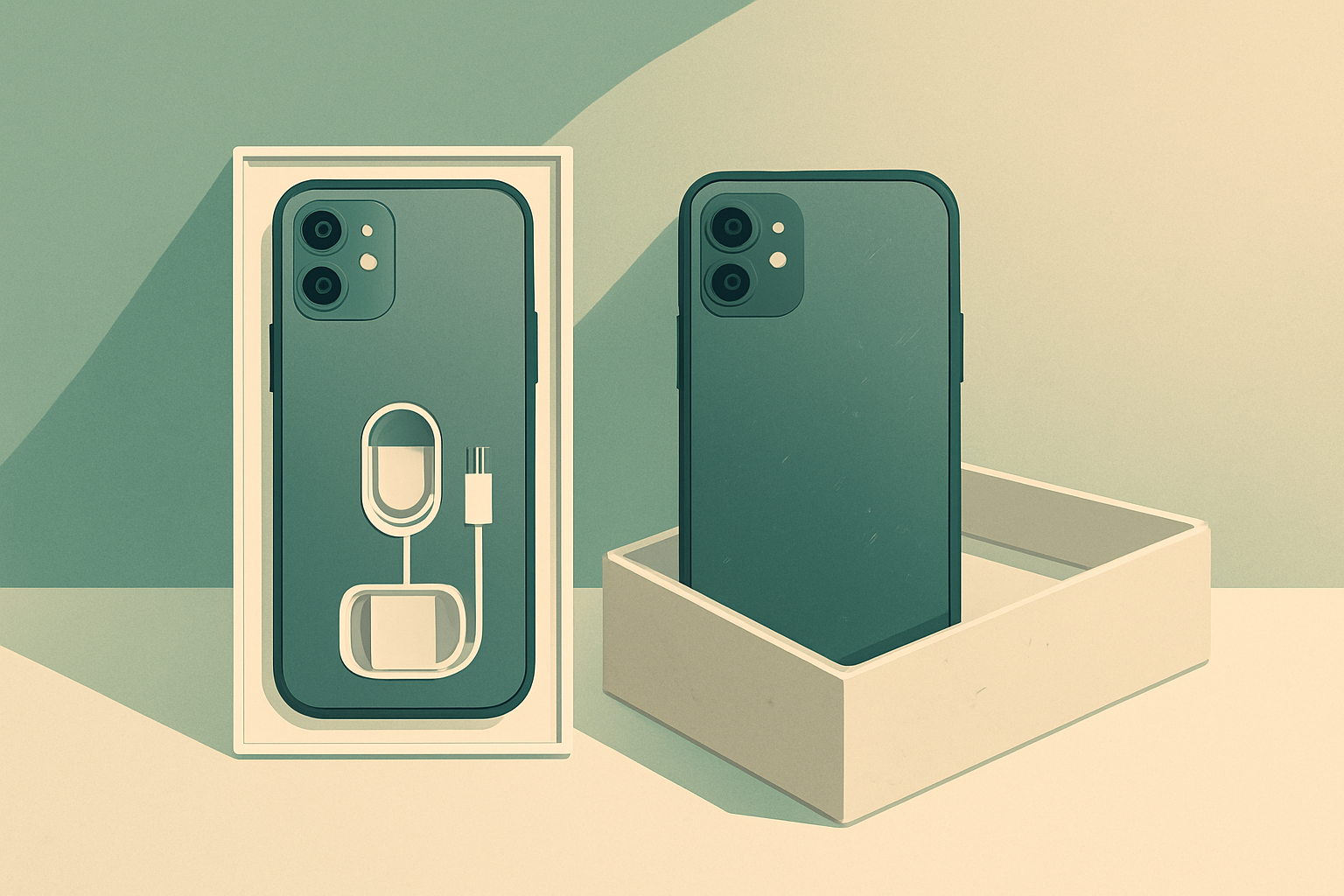
Refurbished vs open-box comes down to one question: was the product repaired, or just opened? A refurbished item was previously used, returned, or had a fault — then inspected, fixed if needed, tested, and resold, usually with a warranty. An open-box item is essentially new: the box was opened or it served as a display model, but the product itself generally wasn't repaired.
Both are ways to buy a not-quite-new product for less than full price, and you'll see them most often on electronics, appliances, and tools. Both can be genuinely good deals. But they aren't the same, and the difference changes what you're actually getting — and what risk you're taking on.
What "refurbished" means
A refurbished product has been through some kind of restoration before being sold again. It might have been a customer return, a trade-in, a display unit, or a device that failed and was repaired. Before resale, the seller typically inspects it, fixes or replaces faulty parts, wipes any data, cleans it, repackages it, and runs functional tests.
The catch: "refurbished" is not a regulated, standardized term. What it includes depends entirely on who did the work — and that's the most important thing to check:
- Manufacturer (or "certified") refurbished — done by the original maker or an authorized partner. These usually go through stricter testing and come with a real warranty. This is generally the safest tier.
- Third-party or seller refurbished — done by a reseller or independent shop. Quality ranges from excellent to barely touched, and warranty terms vary widely.
Because the work is more involved, refurbished items often carry a deeper discount than open-box. And, ironically, a manufacturer-refurbished unit may be tested more carefully than a brand-new one straight off the line.
What "open-box" means
An open-box product is one whose packaging was opened but which is, for the most part, still new. Common reasons: a customer bought it and returned it quickly, the box was damaged in shipping, or it was a floor or display model. Crucially, an open-box item usually hasn't been repaired — it's sold close to its original condition rather than restored from a fault.
That's why open-box discounts tend to be smaller than refurbished ones. You're paying a bit less mostly because the "new" seal is broken, not because the product was used hard or fixed.
The trade-offs to watch:
- Accessories or manuals may be missing, especially on returns and display units.
- Cosmetic wear is possible on items that sat on a shelf or got handled.
- Condition labels vary. Some retailers grade open-box items ("like new," "excellent," "fair"), but those grades aren't standardized across stores, so the same word can mean different things in different places.
Refurbished vs open-box: the core difference
In plain terms:
- Refurbished = was used or faulty, then restored and tested. Bigger discount, more variation in quality, warranty depends heavily on who did the refurbishing.
- Open-box = essentially new, just opened. Smaller discount, condition usually close to new, often retains more of the original warranty.
Neither is automatically "better." A certified-refurbished phone with a solid warranty can be a smarter buy than an open-box one from a seller with vague terms — and the reverse is just as true. The label matters far less than the details behind it.
When it helps you — and when it hurts
It tends to help when:
- The discount is meaningful compared to the actual current new price — not the MSRP, which is often higher than what the item really sells for new.
- It's manufacturer-refurbished, or open-box from a reputable seller, with a clear warranty and return window.
- You care about reducing waste — buying restored goods keeps usable products out of landfills.
- The item isn't heavily wear-dependent. A refurbished monitor or power tool has fewer hidden-wear concerns than something whose value lives in a battery.
It can hurt when:
- The discount is small but the uncertainty is large — tiny savings rarely justify an unknown history.
- The seller's grading is vague and there's no real warranty or easy return.
- The product's value sits in a wear item you can't inspect, like battery health on an older device, or anything where hygiene matters.
- You assumed "refurbished" meant "like new" when it actually meant "functional but cosmetically worn."
The honest summary: these aren't traps, and they aren't free money either. They're a trade of a little certainty for a lower price. When the warranty and condition are clear, that trade often favors you. When they're murky, it favors the seller.
How to shop refurbished or open-box smarter
- Find out who did the refurbishing. Manufacturer or certified beats anonymous "refurbished" almost every time.
- Read the condition or grade description literally, not the headline word. Look for what's specifically noted about cosmetics and included accessories.
- Check the warranty and return window before you buy, and compare it to what a new unit would include. Sometimes an extended warranty is worth it on refurbished electronics; sometimes the included coverage is already plenty.
- Compare against the real new price, not the list price. The whole point is the gap between this item and a new one today.
- Confirm what's in the box. Chargers, cables, and manuals are common omissions on returns and display units.
- For wear-sensitive items, weigh the unknowns. If battery life or hours of use drives the value and you can't see it, factor that into the discount you'd accept.
A few minutes with the fine print is what separates a great refurbished or open-box deal from a disappointing one. The price is only half the story — the condition, warranty, and seller are the other half. For anything pricey, it's worth a quick pre-purchase research pass.
How Shopi helps
Shopi is built to put the real "why" in front of you instead of the marketing. We earn nothing when you buy — no affiliate links, no ads, no commissions — so we've got no reason to nudge you toward a pricier "new" model over a refurbished one that genuinely fits your needs. Every recommendation comes with a plain explanation of why it's a match and links straight to the product page, so you can read the condition and warranty for yourself. Try the no-signup demo to see how it works, or set up a free profile for picks tailored to what you actually need.
Frequently asked questions
What's the difference between refurbished and open-box?
A refurbished product was used, returned, or faulty, then inspected, repaired if needed, tested, and resold. An open-box product is essentially new — the package was opened or it was a display model, but it usually wasn't repaired. Refurbished tends to carry a bigger discount and more variation in quality; open-box is closer to new with a smaller discount.
Is refurbished or open-box better?
Neither is automatically better — it depends on the details. Who did the refurbishing (manufacturer/certified versus an anonymous third party), the warranty, the return window, and the discount compared to the real current new price all matter more than the label itself.
Do refurbished and open-box products come with a warranty?
Often, but it varies. Manufacturer or certified refurbished items usually include a warranty, and open-box items may retain part of the original. Third-party refurbished coverage ranges widely. Always confirm the warranty length and return window before buying, since 'refurbished' isn't a standardized term.
Is buying refurbished or open-box safe?
Generally yes when it comes from a reputable seller with a clear condition description, a warranty, and an easy return policy. The risk rises when grading is vague, there's no warranty, or the value depends on a wear item you can't inspect, like battery health.
Why is refurbished usually cheaper than open-box?
Because more value is being traded for the discount. A refurbished item was actually used or repaired, so you're accepting more uncertainty about its history. An open-box item is mostly just an opened package that's still close to new, so the discount is typically smaller.